
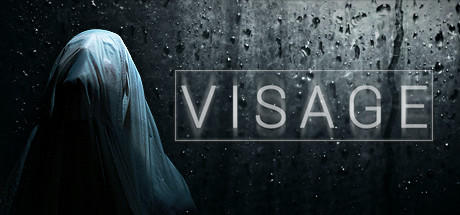
Developed by SadSquare Studio and officially released on October 30, 2020, Visage is widely considered one of the most terrifying first-person psychological horror games of the past decade. Deeply atmospheric and relentlessly oppressive, it challenges players not just with scares but with a genuine descent into psychological dread.
👉 Official Steam page: https://store.steampowered.com/app/594330/Visage/
Story: A House Soaked in Grief and Death
Visage takes place in a vast, eerie house located somewhere in 1980s suburban America. This is not an ordinary home—its walls have witnessed horrifying acts of violence, suicide, and madness. The house has a dark history involving numerous families who met tragic ends within its confines.
Players control Dwayne Anderson, a man burdened with guilt and battling his own demons. As Dwayne, you are trapped inside the house, forced to piece together the traumatic stories of its previous residents. Each narrative is delivered through separate chapters, focusing on different characters: Lucy, a child tormented by invisible friends; Dolores, an elderly woman driven into paranoia and delusion; and Rakan, a man haunted by visions and madness.
The narrative is fragmented, non-linear, and demands players to explore, observe, and interpret. Unlike many games that spell out the story, Visage leaves much for players to uncover and piece together themselves—enhancing the sense of isolation and helplessness.
Gameplay: Sanity, Survival, and Sheer Terror
Visage is not about fighting monsters. Instead, survival hinges on managing your own mind.
The game introduces a sanity mechanic—an invisible but critical system. Staying too long in darkness, witnessing paranormal activities, or encountering frightening events will gradually deteriorate Dwayne’s sanity. The more unstable he becomes, the higher the chance of experiencing violent supernatural occurrences. Players must use light sources like candles, light switches, and lighters to stave off the darkness.
Inventory management is another critical aspect. You can carry a few key items—medication to restore sanity, small light sources, and keys to unlock new parts of the house. However, your inventory is limited, and deciding what to carry often becomes a tense strategic choice.
The gameplay heavily emphasizes exploration, environmental storytelling, and puzzle-solving. Unlike typical horror games where players expect monsters to chase them, Visage manipulates the environment itself to create fear: doors slam shut by themselves, hallways twist unnaturally, and ghostly apparitions appear when least expected.
There is no HUD cluttering the screen—everything must be inferred from your surroundings and Dwayne’s increasingly erratic breathing or visual cues. This choice intensifies immersion and encourages players to become hyper-aware of the environment.
Atmosphere and Visual Design: Oppressive and Claustrophobic
Visage draws clear inspiration from the infamous canceled demo P.T. by Hideo Kojima but expands upon that formula with its own vision.
The house is rendered in chillingly realistic detail—from worn furniture and dimly lit corridors to chillingly mundane rooms that harbor terrible secrets. Small touches like creaking floors, flickering lights, and distant whispers fill players with dread even when nothing seems to be happening.
Lighting is used sparingly but brilliantly. Players often find themselves stuck between choosing to waste precious light sources or risk losing their sanity by stepping into the darkness.
Sound design is a major highlight. Every creak, whisper, and thud is carefully crafted to keep players perpetually on edge. Coupled with minimalistic yet haunting musical cues, Visage ensures that players never feel truly safe.
Reception: A Modern Horror Masterpiece
Visage was met with strong critical acclaim upon its release, particularly among fans of psychological horror. It has been praised for its mature storytelling, oppressive atmosphere, and faithful execution of genuine psychological terror.
On Steam, the game holds a “Very Positive” rating from thousands of players. Critics also noted that the game’s length—taking around 8–10 hours to complete—gives it substantial depth compared to most short-form horror experiences.
Of course, Visage is not without criticisms. Some players found the game’s inventory system cumbersome, and certain puzzles can feel unnecessarily obscure. A few technical issues, particularly around collision detection and bugs during early releases, were also pointed out. However, subsequent patches have addressed many of these concerns.
Final Thoughts: A Haunting Experience Not for the Faint-Hearted
Visage is not for everyone. Its slow pace, emphasis on environmental storytelling, and lack of traditional action mechanics may deter those looking for a more adrenaline-driven horror game. But for players seeking a deeply psychological and atmospheric experience, it stands as one of the finest horror titles available.
More than just jump scares, Visage creates an enduring sense of unease that lingers even after you turn off the game. It forces you to question your own perceptions, blurring the lines between reality and hallucination.
If you’re brave enough to face the darkness lurking within ordinary walls—and within the human mind—Visage is an essential experience.
Dare to uncover the truth? Step inside:
👉 https://store.steampowered.com/app/594330/Visage/




 Horror Game News
Leave a comment