
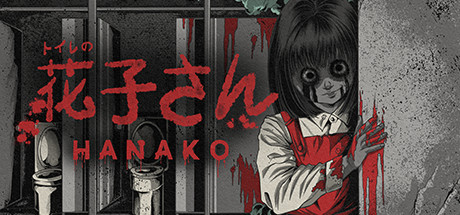
In a world dominated by ultra-realistic 4K graphics and ray tracing, it’s almost ironic that some of the scariest horror games right now look like they came from a dusty PlayStation 1 demo disc. But that’s not a mistake—it’s a design choice.
From cult indie hits like Paratopic and Bloodwash to more recent gems like Mouthwashing, Kiosk, and The Exit 8, the low-res aesthetic of late-90s video games has made a chilling comeback. But why are developers and players embracing this gritty, blocky, lo-fi horror style in 2025?
Let’s dive into the terrifying charm of PS1-style horror games—and why they might be more effective than ever.
1. The Uncanny Valley… But Pixelated
Modern horror games often aim for realism. But hyper-realistic faces and environments can sometimes numb the player. Retro horror games, on the other hand, operate in a strange middle ground: not realistic enough to be real, but real enough to disturb.
There’s a rawness to the visuals—warped textures, stiff animations, and clunky movement—that actually amplify dread. Your mind fills in the gaps. The imperfect graphics trigger your imagination, making things feel even worse than they look.
In other words: the less you see clearly, the more your brain panics.
2. Nostalgia… Weaponized
If you grew up during the PS1 era, chances are you have fond memories of games like Silent Hill, Resident Evil, or Clock Tower. But what happens when that nostalgia is turned against you?
Retro horror games tap into this fuzzy familiarity—and then distort it. They take the comforting feeling of “I’ve played something like this before,” and twist it into something unsettling. It’s like playing a haunted version of your childhood memories.
Games like REPO use bizarre sound design, weird lighting, and surreal level design that feel like corrupted memory files from the past. It’s a beautiful nightmare.
3. Simple Graphics, Complex Atmosphere
PS1-style visuals give developers more room to focus on what truly matters in horror: atmosphere, pacing, and sound.
You don’t need photorealistic zombies when you can use:
- Thick, foggy corridors
- Flickering CRT lighting
- Echoing footsteps
- Broken VHS-style filters
Titles like The Scourge: Tai ƞg and Chilla’s Art: Parasocial master this by leaning heavily into environment storytelling. You’re not guided by flashy objectives—you explore slowly, anxiously, listening to your own heartbeat.
This slow-burn approach is where retro horror shines. It’s immersive, psychological, and terrifyingly effective.
4. Freedom for Indie Developers
Let’s be honest—realistic visuals are expensive. A solo developer or small team can’t compete with AAA fidelity. But they can create something unforgettable with low-poly models, sharp lighting, and clever storytelling.
The PS1 aesthetic is not just an artistic statement. It’s a practical advantage. Devs can produce more content, iterate faster, and focus on fear instead of frame rates.
Games like Kiosk, Dread Flats, and Mouthwashing prove that limitations can breed creativity—and fear. There’s no need for Hollywood-level polish when you can give players a panic attack using only polygons.
5. Community & Creator Boom
On platforms like itch.io, YouTube, and TikTok, retro horror games have found a massive following. Let’s Plays, creepy reaction videos, and fan theories thrive around these titles. The mysterious nature of their lo-fi worlds invites speculation and community engagement.
And thanks to tools like Unity, Unreal, and PSX-style shaders, more creators than ever are jumping in. What used to be a niche has now become a movement.
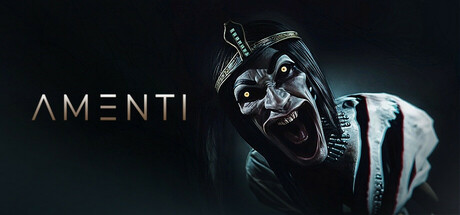
Games like MiSide, Amenti, and even The Exit 8 ride this wave—each delivering a unique flavor of dread, often wrapped in polygonal packaging.
Conclusion: The Future Is Lo-Fi
In 2025, PS1-style horror isn’t just a trend—it’s a rebirth. These games remind us that terror doesn’t come from realism alone. It comes from what we don’t understand, what we imagine, and what we feel deep in our bones.
So next time you boot up a blocky, low-res horror game and think “this looks ancient,” don’t be fooled. You’re not looking at the past.
You’re looking at the future of fear.
💾 Want more coverage on lo-fi and retro horror gems? Stick with horrorgame.news—we highlight the terrifying titles that might look cheap, but hit hard.



 Horror Game News
Leave a comment